

By Nosson Shulman: Licensed Tour Guide of VIP Israel Tours & Authentic Virtual Tours (click here to check out his free trailer videos)
“And Chanah rose up after they had eaten in Shiloh and after they had drunk.
And Eli the Kohen(priest) sat upon the seat by the doorpost of the Sanctuary of G-d (1 Samuel: 1:9).”
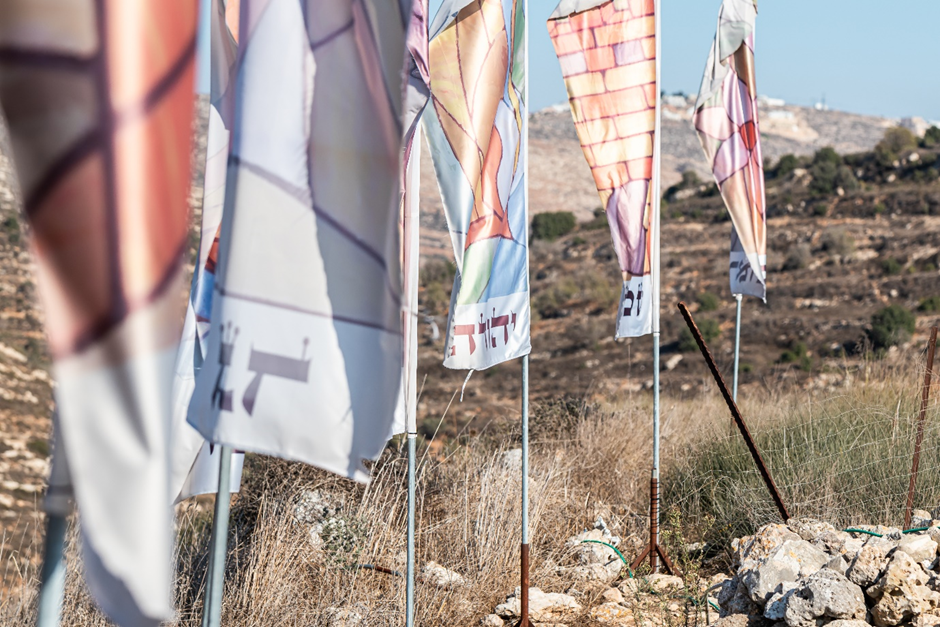
Photo Credit: Shutterstock
In Part 2, we explored how Shiloh became the turning point of prayer and prophecy in ancient Israel.
For nearly four centuries, Shiloh served as the spiritual epicentre of the nation. Here the Mishkan (Tabernacle) stood, attracting pilgrims from every tribe. Yet among the many moments that unfolded on this hilltop, few influenced the course of the tradition of G-d’s chosen people as meaningfully as the quiet, heartfelt prayer of a woman named Hannah (Chana).

Photo Credit: Shutterstock
Every year, families from all over Israel made their way to Shiloh to bring offerings and celebrate the festivals. Among them was Elkanah and his family, traveling the same route year after year (see 1 Samuel 1:3). One of his wives, Hannah, arrived carrying a heavy heart. She had no children, and her soul ached to raise a child devoted to Torah and Mitzvos (commandments).
As she walked the paths of Shiloh—the very place where the Mishkan stood and the Divine Presence dwelled—her longing grew stronger with each step. What should have been a joyful pilgrimage became a moment of quiet, heartfelt yearning. And it was here, in this sacred space, that Hannah poured out her soul in prayer—a prayer so powerful, it didn’t just change her life; it changed the course of Israel’s history.
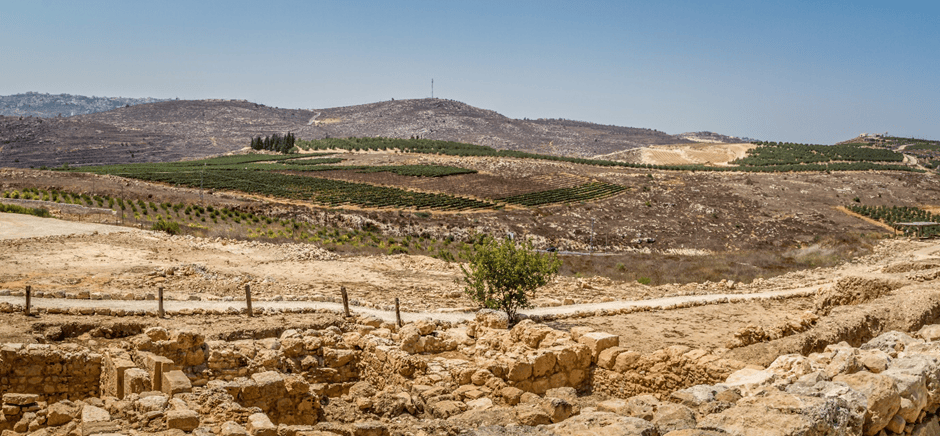
Photo Credit: Shutterstock
From Heartbreak to Destiny: Hannah’s Silent Prayer at Shiloh
After sharing the holy sacrifice and drinking with her family, Hannah rose and quietly made her way to the Tabernacle. Eli, the Kohen Gadol (High Priest), was sitting by the doorpost of the Sanctuary, observing the pilgrims as they came and went.
Hannah began to pray silently, moving her lips but making no sound, pouring out her heart to G‑d. She was asking for a child, one she could dedicate entirely to the service to G‑d.
Eli, seeing her lips move and her deep focus, assumed she was drunk. Why would he think that? In those days, Jewish prayers were usually said out loud, passionately, and Hannah had been drinking with her family. To him, her quiet, intense whispering seemed strange, even suspicious. Hannah quickly explained that she was not drunk—that she was simply pouring out her soul in pain. Once Eli realized his mistake, he gave her a blessing, saying that G-d would answer her prayers (1 Samuel 1:17). From this encounter, Jewish sources later derive an important teaching: anyone who wrongly suspects another of wrongdoing is required to give them a blessing. In other words, even a misjudgement can become a moment of spiritual connection.

Photo Credit: Shutterstock
After pouring out her heart and receiving Eli’s blessing, Hannah returned to her family, but she was no longer weighed down by sorrow. Instead of a face of pain, she now glowed with hope and peace. Shortly after, she conceived and gave birth to Samuel, one of the greatest prophets in Jewish history, who would guide the people through some of their most challenging times.
But Hannah’s impact went far beyond having a child. She sparked a quiet revolution in prayer. Up until that moment, Jewish prayer was communal, spoken aloud, and highly formal. Hannah introduced something new: a deeply personal, inward, heart-centered conversation with G‑d.
In fact, Jewish sources teach that the structure of the Amidah—Judaism’s central prayer—traces its roots to Hannah’s silent, heartfelt tefillah at Shiloh. From this moment forward, the way Jews connected with G‑d had changed forever.

Photo Credit: Shutterstock
Walking Hannah’s Path: How Shiloh Still Inspires Miracles Today
Even today, when I bring tourists to Shiloh, they are often struck by the experience. They walk the same stone paths that Hannah walked so long ago, imagining the morning air filled with the scent of incense and the sounds of pilgrims arriving with their offerings.
The prayers offered in the Tabernacle all those years ago still carry weight today. I remember a friend who brought a woman to Shiloh—she had been childless for 28 years. Doctors had long given up hope. He showed her the very spot where Hannah had prayed for a child and said, “This is where you can pray.” She hesitated. She had wanted a child, of course, but had already made peace with the doctors’ verdict. He told her, “That’s the doctors’ business. Your business is to pray here, where Hannah prayed.” Less than a year later, she gave birth to a healthy, precious baby boy.
That is the power of Shiloh—the way a sacred place, filled with history and holiness, can still touch lives and inspire hope for anyone who visits.

Photo Credit Shutterstock
For 369 years, Shiloh stood as the spiritual capital of the world—but that era was about to come to a sudden and devastating end and subsequent rebirth.
-To Be Continued…
For a sample private tour itinerary which can include touring biblical Shiloh, view a biblical Shiloh tour itinerary. To view a sample Gaza Envelope tour itinerary, view a private Gaza Envelope tour itinerary.
Nosson Shulman is a journalist and Licensed Tour Guide in Israel specializing in Biblical tours. To allow tourists to experience Israel during the Corona era, he created the new hit Israel tour video series which brings Israel to the home of viewers by simulating actual tours. To check out his free sneak preview tour videos, click here. To view sample tour itineraries or to inquire about private tour opportunities with a personalized itinerary on your next trip to Israel, click here.
© 2026 All Rights Reserved – Unauthorized Duplication is prohibited